Please note: This is a living document — part of a digital garden. It may be incomplete, wrong, or in flux. Constructive disagreement is welcome. Please attribute if you quote.
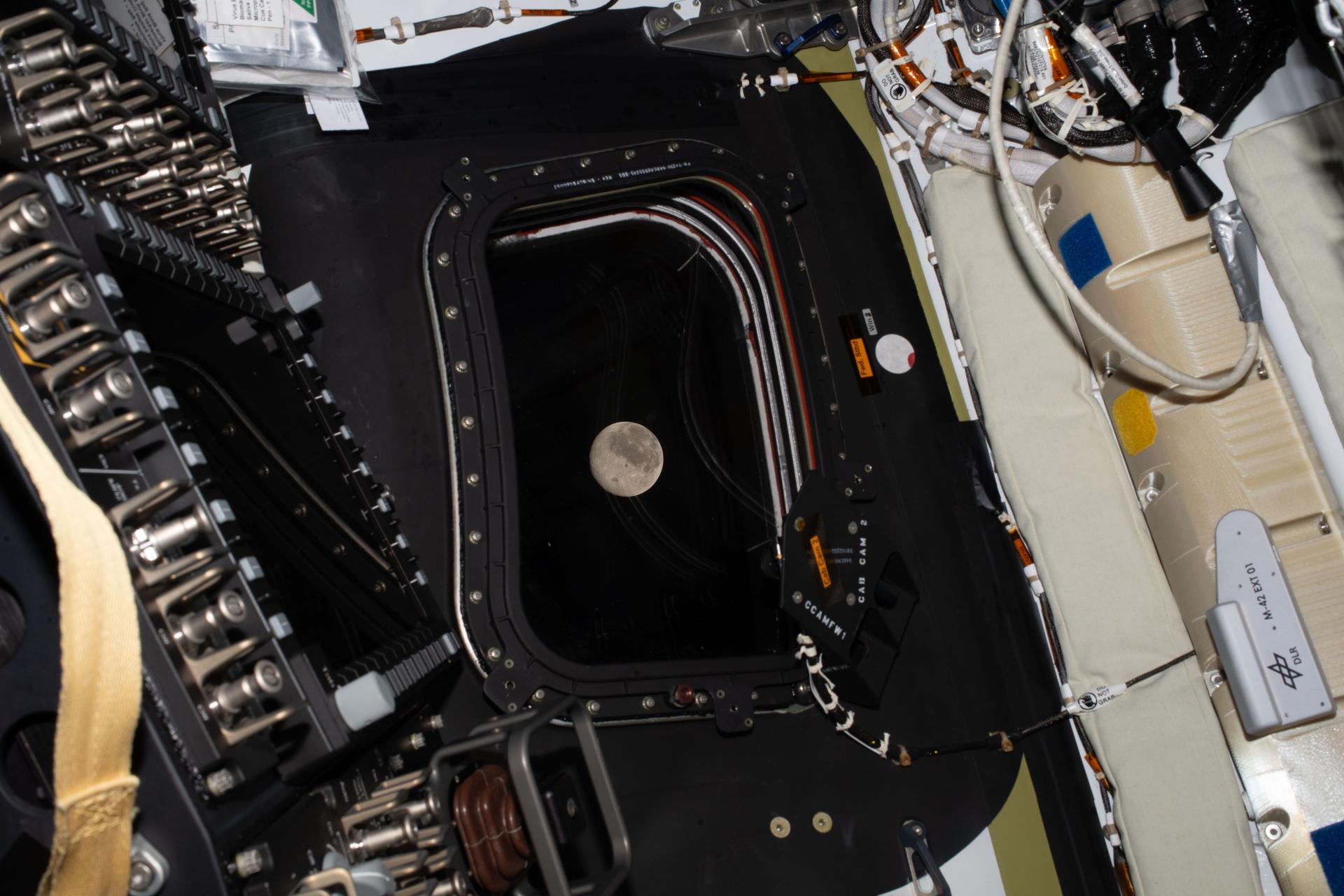
Artemis II is flying by the Moon today. This is an incredible moment of scientific achievement & international cooperation. One that will live in history books for centuries, I’m sure. It’s exciting!… However, it does leave the back of mind mind to think about the complex feelings I have about it all.
To preface, I am a spaceflight enthusiast, not an expert, so I don’t feel I’m in a place to evaluate Orion, SLS, the Artemis Program as a whole, etc., in-depth. I know there have been plenty of far more qualified folks with far better sourced takes on it all. However, I did once write a capstone paper on the Apollo Program, so maybe that leaves me qualified to muse by social media standards, right?
Regardless, as giddy as I am to see astronauts once again passing by the Moon, there is a bittersweetness to it all. This is because it feels like we (as in, America) are making similar mistakes that led to the half-century gap in Moon exploration in the first place. Namely, rather than investing in sustainable exploration and building reliable public political buy-in, Artemis is yet another big, expensive bear of a program without long-term plans for sustainability. And what goals there are boil down to “getting to Mars”.
Historical Context
Eisenhower in the 50s, right as America’s space program was coming together, warned about these sorts of “crash programs”. He could see where the emerging Space Race was going to lead, and how easy it would be for the US to become so fixated on winning that it wouldn’t spend the necessary time and resources to actually make its gains permanent.
Apollo
The Apollo Program, in many ways, was exactly the kind of giant, expensive longshot projects founded on big dreams without the tangible political bedrock to build the next steps on top of that he had urged caution on. People (and especially politicians) are fickle, and the high of nationalism and novelty will eventually wane. Your program will eventually fall back to whatever solid ground it has, whether because of budgetary tightening or a lack of “demonstrated value for cost” or both. And when that happens, you had better have laid a politically and socially stable framework to buttress your gains against the crashing of pragmatism. Otherwise, regardless of how neat or noble your ideas are, people will move on and, in Apollo’s case, the Moon would once again fall out of reach.
This isn’t to say Apollo wasn’t noble, nor that what it achieved is any less remarkable. I am–like I imagine most are–continually ecstatic that America and Humanity could take that giant leap and its many small steps. It’s an incredible feat of scientific advancement, engineering, and the human drive. So much technological progress came out of it, not only for spaceflight but also just for the betterment of people’s lives. We should not regret that it happened, even in the way that it did. Apollo was incredible.

At the launch of Apollo 13, though, people were already moving on. The spectacle had been done, and now it seemed trivial and, to many, unnecessary. Even with the harrowing incident during Odyssey’s trans-lunar journey, and the separate incredible achievement of getting the astronauts home safely despite how catastrophic the damage was, Apollo was already a dying program. Congressmembers were already quietly asking, “Why are we still spending billions on this? Didn’t we already accomplish what we needed to?”
Post-Apollo
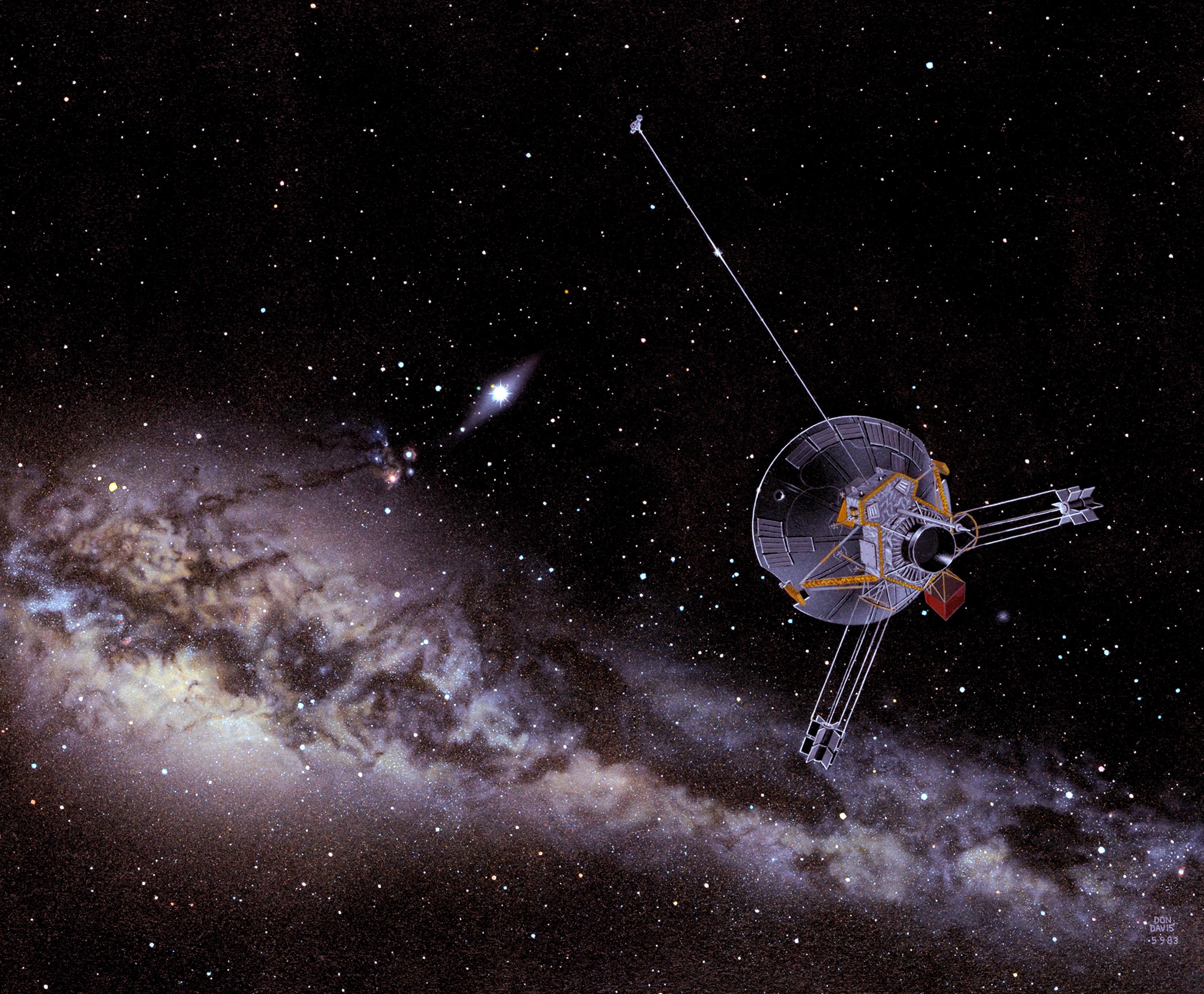
That chapter would ultimately be brief, as well. Launched in ‘73, Skylab lasted 4 missions over 2 years before being abandoned. Its inevitable reentry, 5 years later in 1979, marked the final end of the Apollo dream. Nixon, NASA, and the nation had moved on by the early-70s to cheaper spaceflight and the (ultimately unfulfilled) promised regularity of the Space Transport System/Space Shuttle. The expense of another Apollo program, or even something like continuing Apollo Applications, was deemed far, far too great for a nation struggling with the growing expenses of social spending, tax breaks, and war. NASA’s budget by that time, functionally, wasn’t really a drop in the bucket for America’s budget woes, but nonetheless it was an expense that had become politically unaffordable.

The Artemis Program
Artemis had an opportunity to take a different approach. Some would argue that, in a few ways, it has–with international cooperation (and thus larger buy-in and cost sharing) being a core part, as well as building off of the lessons of LEO spaceflight over the last 52 years. Foundationally, though, it is still a doomed “crash program” in the same vein as Apollo, primarily funded by the US and with vague end-goals of “Moon then Mars” to guide it.
Warning Signs
I have, of course, also been dancing around the elephant in the room. While Nixon waited until after we had landed to start pushing Congress to chop the ends off Apollo, Trump, Musk, and NASA Administrator Jared Isaacman have already substantially cut NASA’s personnel, and are now looking at even deeper budget cuts moving forward. It’s a miracle Artemis II launched to begin with, and that’s simply down to the fact that most of it was already paid for at this point. Given how dire NASA’s personnel and budget outlook is these days, an expensive crash program is almost certainly doomed the chopping block.
Artemis II itself is really a testament to the very robust administrative state that Trump and his cronies have sought to tear apart indiscriminately. This isn’t even to touch on the growing corruption, degradation of state power, and incompetence fueled economic spiral that this administration will continue to make worse. There’s no conceivable way that Artemis, Gateway, Mars, and every other big dream survive. And what NASA has to fall back on after this all is less than it was before: ISS has been on the chopping block for years now, SpaceX is all-in on AI and Starlink rather than human spaceflight, and NASA will once again be left without a launcher with SLS’ inevitable retirement. It’s all very dire.
Why Go Back At All?
I don’t want to end this on a sour note, though. Space exploration is exciting, and it’s even more critical to carry that flame of excitement with us in dark times.

Artemis going back has reopened a sense of curiosity, connection, and compellment among people broadly which has been absent for the last half-century. Like Apollo did before, there is a subliminal connection between all of humankind that is being ever so discretely flexed. Whether it’s the wonder in the astronauts voices as they witness the incredible, or the spectacular images coming back of our home planet in its majesty, humanity’s reaching out to the furthest reaches of our grasp and beyond is incalculably valuable.
I’m not mad we’re going back, even with just one or two missions. I can’t be. Artemis, like Apollo, is an incredible achievement despite everything. A reminder that, actually, we can do this if we find in us the will to do so. It’s also a unifying moment, something I hope most ordinary folks can look at and find pride in, both within America and our international partners, and beyond across the world. Artemis is a flawed child, but it’s our child, and we are compelled to love our children so they do the spectacular.
It’s bittersweet, but for me the sweetness is just a little bit more potent in this moment.